Paediatric ENT Specialist in Delhi – Child Ear, Nose & Throat Care
Comprehensive ENT care for children with ear infections, hearing problems, enlarged adenoids and tonsils, snoring, mouth breathing, allergies, nasal blockage and other paediatric ENT conditions.
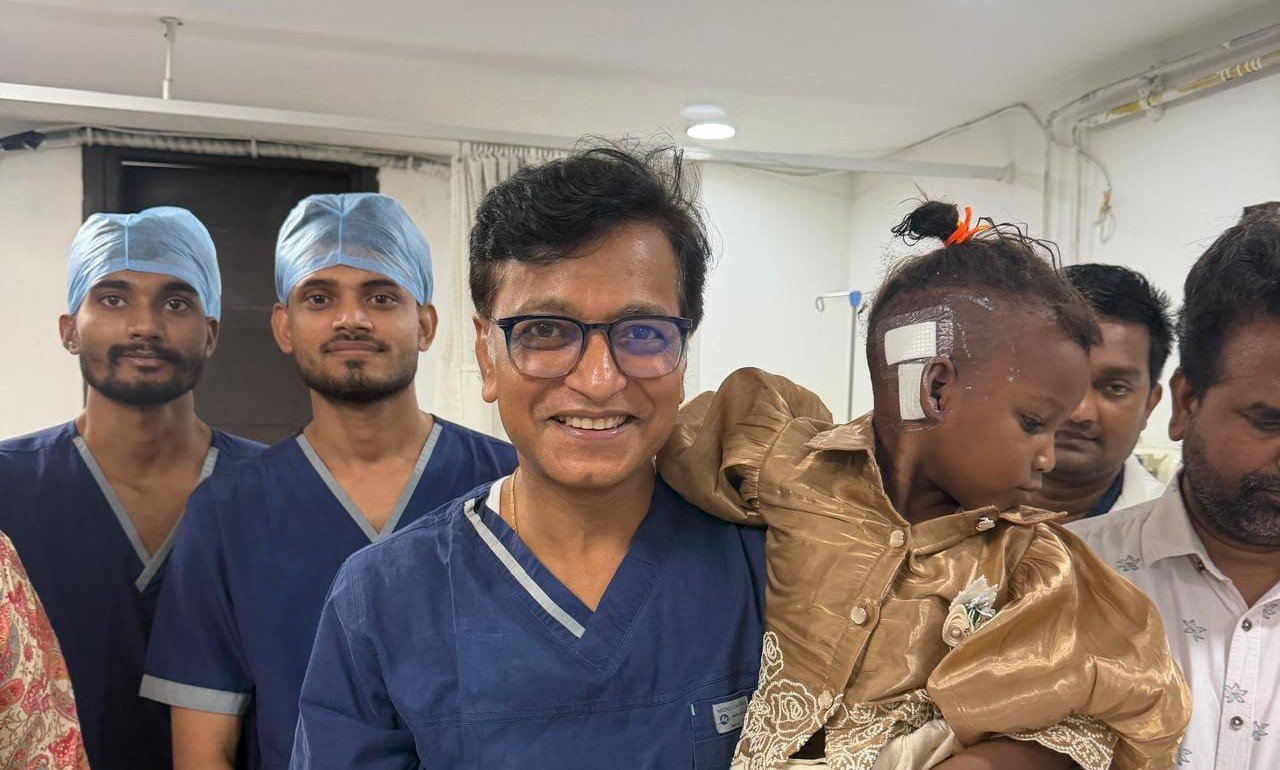
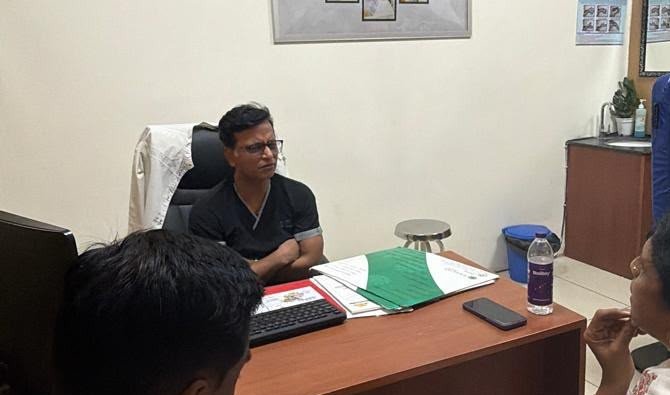
Dr.(Prof.) Dhirendra Singh Kushwah
ENT Specialist & Surgeon
Child-focused ENT evaluation with attention to hearing, breathing, sleep, recurrent infections and age-related concerns.
What Is Paediatric ENT?
Paediatric ENT focuses on the diagnosis and treatment of ear, nose and throat conditions affecting infants, toddlers, school-age children and teenagers. Children's ENT problems can sometimes present differently from those in adults and may affect hearing, speech, sleep, breathing, feeding, learning and everyday comfort.
Common concerns include recurrent ear infections, hearing difficulty, fluid behind the eardrum, enlarged adenoids, enlarged tonsils, snoring, mouth breathing, allergies, persistent nasal blockage and recurrent throat infections.
A timely ENT assessment can help identify the underlying cause and determine whether the child needs observation, medical treatment, hearing assessment, further investigation or a procedure.
Specialised Paediatric ENT Services
Evaluation and treatment planning for common childhood ear, nose, throat, hearing, breathing and sleep-related concerns.
Children's Ear & Hearing Care
Evaluation of recurrent ear infections, ear discharge, hearing difficulties, glue ear, tinnitus and other childhood ear problems.
Adenoids, Tonsils & Throat
Assessment and treatment planning for enlarged adenoids, enlarged tonsils, recurrent tonsillitis, swallowing problems and related throat conditions.
Snoring & Sleep Breathing
Evaluation of persistent snoring, mouth breathing, restless sleep and suspected sleep-disordered breathing in children.
Paediatric Nose & Sinus Care
Child-friendly evaluation of nasal blockage, allergic rhinitis, recurrent nasal symptoms, sinus problems and breathing difficulties.
Paediatric ENT Conditions Treated & Evaluated
Children can experience a wide range of ear, nose and throat conditions. Persistent, recurrent or functionally significant symptoms deserve appropriate evaluation.
Recurrent Ear Infections
Repeated ear infections may cause pain, fever, irritability or temporary hearing difficulty and should be assessed when they recur.
Glue Ear / Middle-Ear Fluid
Fluid behind the eardrum can temporarily reduce hearing and may affect communication or learning when persistent.
Childhood Hearing Loss
Hearing concerns in children require timely assessment because hearing plays an important role in speech, language and learning.
Enlarged Adenoids
Enlarged adenoids may contribute to nasal blockage, mouth breathing, snoring, recurrent infections and sleep-related breathing problems.
Enlarged Tonsils & Tonsillitis
Repeated throat infections or enlarged tonsils may cause sore throat, swallowing difficulty, snoring and sleep disturbance.
Snoring & Mouth Breathing
Persistent snoring or habitual mouth breathing can be associated with nasal obstruction, enlarged adenoids or tonsils and other conditions.
Paediatric Sleep-Disordered Breathing
Noisy breathing, restless sleep or breathing pauses during sleep may require assessment for sleep-disordered breathing.
Allergic Rhinitis
Nasal allergy may cause sneezing, itching, watery discharge, congestion and persistent mouth breathing.
Chronic Nasal Blockage
Persistent difficulty breathing through the nose can interfere with sleep, exercise, eating and daily comfort.
Paediatric Sinus Problems
Persistent nasal discharge, congestion, facial discomfort or recurrent symptoms may require evaluation for underlying nasal or sinus disease.
Foreign Body in Ear or Nose
Objects placed in the ear or nose require careful assessment and safe removal, particularly when there is pain, bleeding or discharge.
Congenital Ear Conditions
Some children are born with structural differences involving the outer ear, ear canal or hearing system and may require specialist evaluation.
Common Paediatric ENT Symptoms
Young children may not always be able to describe ear, hearing, nose or throat symptoms clearly. Parents and caregivers often notice behavioural or sleep-related signs first.
Not Responding to Sounds
A child may not consistently respond when called, particularly when the speaker is behind them or when background noise is present.
Speech or Language Concerns
Delayed or unclear speech may sometimes be associated with hearing difficulty and deserves appropriate assessment.
Increasing TV or Device Volume
Frequently turning up television, tablet or phone volume can be a possible sign of reduced hearing.
Recurrent Ear Pain
Repeated earache, irritability or pulling at the ear may indicate an ear problem that needs evaluation.
Ear Discharge
Fluid, pus or persistent discharge from the ear should not be ignored, especially when associated with pain or fever.
Persistent Nasal Blockage
A child who regularly struggles to breathe through the nose may have allergy, enlarged adenoids or another nasal condition.
Mouth Breathing
Habitual mouth breathing, especially during sleep, can be associated with nasal obstruction or enlarged adenoids.
Snoring
Frequent or loud snoring in children may warrant assessment, particularly when sleep is restless or breathing pauses are noticed.
Restless Sleep
Frequent movement, sweating, unusual sleeping positions or disturbed sleep may accompany breathing-related sleep problems.
Difficulty Swallowing
Pain or difficulty swallowing can occur with tonsillar and throat conditions and should be evaluated when persistent or severe.
Frequent Sore Throat
Repeated sore throats or tonsillitis may require assessment to determine the underlying cause and appropriate treatment.
Frequent Nosebleeds
Repeated nosebleeds can have several causes, including dryness, irritation, allergy or local nasal conditions.
Common Causes & Contributing Factors
The cause of a child's ENT symptoms can vary considerably. An examination helps distinguish a temporary problem from a condition that requires ongoing management.
Why early evaluation matters
Hearing, sleep and comfortable nasal breathing are important during childhood. Persistent ENT symptoms should therefore be assessed when they interfere with communication, sleep, school, feeding or everyday activities.
Viral or Bacterial Infections
Children commonly experience respiratory and ear infections because of exposure to infections and developing immune systems.
Enlarged Adenoids or Tonsils
Enlarged lymphoid tissue can contribute to nasal obstruction, mouth breathing, snoring and recurrent throat or ear problems.
Allergies
Allergic inflammation can cause nasal congestion, sneezing, itching, discharge and persistent breathing difficulties.
Eustachian Tube Dysfunction
Problems with pressure equalisation in the middle ear can contribute to fluid accumulation and temporary hearing changes.
Anatomical Factors
Structural differences involving the nose, throat, ear or airway can sometimes contribute to persistent ENT symptoms.
Environmental Irritants
Smoke, dust, pollution and other irritants may aggravate nasal, throat and respiratory symptoms.
How Are Paediatric ENT Problems Diagnosed?
Diagnosis is based on the child's symptoms, age, medical history and clinical examination. Additional tests are recommended only when they are clinically useful.
Detailed History
Parents may be asked about symptoms, infections, hearing, speech, sleep, school performance and previous treatment.
ENT Examination
The ears, nose and throat are examined according to the child's symptoms and age.
Hearing Assessment
Age-appropriate hearing tests may be recommended when hearing loss, recurrent ear disease or speech concerns are present.
Tympanometry
When appropriate, tympanometry can help assess middle-ear pressure and fluid-related problems.
Nasal & Adenoid Evaluation
Persistent nasal obstruction, mouth breathing or snoring may require assessment of the nose and adenoid region.
Further Tests When Required
Imaging, sleep assessment or referral to another specialist may be recommended when clinical findings indicate a need.
Paediatric ENT Treatment Process
Understand the Child's Symptoms
A detailed history helps identify patterns involving the ears, hearing, nose, throat, breathing, sleep and development.
Child-Friendly ENT Examination
The examination is adapted to the child's age and comfort while focusing on the suspected ENT problem.
Confirm the Cause
Hearing tests, tympanometry or other investigations may be advised when they can improve diagnostic accuracy.
Personalised Treatment & Follow-Up
Treatment may involve observation, medicines, hearing support, allergy management, procedures or surgery when clinically indicated.
How Are Childhood ENT Conditions Treated?
Treatment depends on the underlying diagnosis. Not every child needs antibiotics, long-term medicines or surgery. The goal is to choose an appropriate treatment while avoiding unnecessary intervention.
Observation & Follow-Up
Some childhood ENT problems improve naturally and can be monitored safely with appropriate follow-up.
Medicines When Appropriate
Depending on the diagnosis, medicines may be used for infections, allergies, inflammation or symptom control.
Ear & Hearing Management
Children with hearing concerns may require hearing assessment, monitoring or further treatment based on the cause.
Allergy & Nasal Care
Appropriate allergy and nasal management may help children with persistent congestion, sneezing and nasal obstruction.
Adenoid & Tonsil Treatment
When enlarged adenoids or tonsils are causing significant problems, medical management or surgery may be considered.
Ear Tube / Grommet Consideration
Selected children with persistent middle-ear fluid or related hearing problems may be evaluated for ventilation tube treatment.
Foreign Body Removal
Objects in the ear or nose should be removed safely using an appropriate technique rather than attempting repeated home removal.
Surgery in Selected Cases
Surgical treatment is considered only when the benefits are expected to outweigh the risks and conservative care is insufficient or inappropriate.
How Long Does Paediatric ENT Treatment Take?
Treatment time varies significantly between children and depends on the condition, severity, age, underlying cause and response to treatment.
| Condition | Typical Course | Important Note |
|---|---|---|
| Acute Ear or Throat Infection | Often improves over days with appropriate management | The exact duration depends on the cause, severity and response to treatment. |
| Glue Ear / Middle-Ear Fluid | May require observation over weeks or months | Persistent hearing problems may require further assessment and treatment planning. |
| Allergic Rhinitis | Usually requires ongoing symptom management | Treatment duration depends on triggers, severity and response. |
| Enlarged Adenoids / Tonsils | Depends on severity and treatment approach | Some children can be managed conservatively; selected cases may require surgery. |
| Hearing Problems | Depends on the underlying cause | Timely diagnosis is important because hearing supports speech, language and learning. |
| Sleep-Disordered Breathing | Varies according to the underlying cause | Persistent snoring or breathing pauses require appropriate assessment rather than assuming the child will simply outgrow them. |
These are general treatment-course descriptions, not guarantees. Your child's treatment timeline should be determined after appropriate clinical assessment.
Benefits & Limitations of Paediatric ENT Treatment
Potential Benefits
- Identify hearing problems at an appropriate stage
- Address persistent ear infections and middle-ear problems
- Improve nasal breathing when obstruction is treatable
- Evaluate snoring and sleep-related breathing concerns
- Manage recurrent throat and tonsil problems
- Reduce symptoms affecting sleep, communication or daily activities
- Provide appropriate follow-up instead of unnecessary treatment
Important Limitations
- Not every ENT problem requires immediate treatment
- Some childhood conditions naturally improve with observation
- Antibiotics are not appropriate for every infection
- Surgery is recommended only when clinically justified
- Some hearing problems require ongoing monitoring
- Treatment outcomes vary according to the underlying cause
- Follow-up may be necessary even after symptoms improve
When Should Your Child See an ENT Specialist?
A paediatric ENT consultation can be useful when symptoms are recurrent, persistent, affecting hearing or sleep, or interfering with the child's normal activities.
What Can Happen If Paediatric ENT Problems Are Ignored?
The consequences depend on the condition. Not every untreated symptom causes complications, but persistent problems should not be dismissed when they affect hearing, breathing, sleep or development.
Persistent Hearing Difficulty
Ongoing middle-ear problems or other hearing conditions may result in continued difficulty hearing sounds or conversations.
Communication Challenges
When hearing is affected during important developmental periods, communication and speech-language development may require closer attention.
Poor Sleep
Persistent snoring or sleep-disordered breathing can interfere with restful sleep and should be assessed.
Daytime Tiredness
Children with disturbed sleep may show daytime tiredness, irritability or concentration difficulties.
Recurrent Infections
Repeated ear or throat infections may continue to affect a child's comfort and daily activities if the underlying cause is not addressed.
Reduced Quality of Life
Persistent pain, nasal obstruction, hearing problems or sleep disruption can affect school, play and family life.
When Is a Child's ENT Problem an Emergency?
Some symptoms require urgent medical attention rather than waiting for a routine ENT appointment.
If a child is having difficulty breathing, severe bleeding, choking or another serious emergency, seek immediate emergency medical care.
Paediatric ENT Do's & Don'ts
Do
- Pay attention to changes in hearing or speech
- Keep track of recurrent ear or throat infections
- Mention snoring and mouth breathing during consultation
- Follow prescribed medicines and follow-up advice
- Arrange hearing assessment when recommended
- Seek urgent care for breathing difficulty or severe symptoms
Don't
- Do not ignore persistent hearing concerns
- Do not repeatedly self-medicate without appropriate advice
- Do not insert objects into the child's ear
- Do not attempt unsafe removal of deep foreign bodies
- Do not assume persistent snoring is always harmless
- Do not delay urgent care when breathing is affected
Paediatric ENT Specialist Near You in Delhi
Dr.(Prof.) Dhirendra Singh Kushwah provides ENT consultation for children from South Delhi and surrounding areas, with clinic locations convenient for families in and around Jasola Vihar, C.R. Park and Safdarjung Enclave.
Jasola Vihar & Nearby Areas
Paediatric ENT consultation for families from Jasola Vihar, Sarita Vihar, Okhla, Jamia Nagar, Badarpur, Kalindi Kunj, Govindpuri, Kalkaji and nearby South Delhi areas.
C.R. Park & South Delhi
Child ENT care for families from C.R. Park, Greater Kailash, Kalkaji, Nehru Place, Alaknanda, Govindpuri, East of Kailash and Lajpat Nagar.
Safdarjung Enclave
Paediatric ENT consultation for children from Safdarjung Enclave, Arjun Nagar, Green Park, Hauz Khas, Munirka, R.K. Puram, Vasant Kunj and nearby areas.
Delhi NCR
Families may also travel from Faridabad, Noida, Greater Noida, Ghaziabad, Palwal and other parts of Delhi NCR for specialist ENT evaluation.
Why Choose Dr. Dhirendra Singh Kushwah for Paediatric ENT Care?
Children's ENT symptoms can involve several interconnected areas including hearing, breathing, sleep, speech and recurrent infections. A comprehensive ENT evaluation can help identify the likely cause and guide appropriate treatment.
25+ Years of ENT Experience
Extensive experience in the evaluation and management of ear, nose and throat conditions.
Child-Focused ENT Evaluation
A careful approach that considers the child's age, symptoms, development, hearing, sleep and overall wellbeing.
Comprehensive Ear & Hearing Care
Assessment of childhood ear problems and hearing concerns with appropriate investigations when required.
Personalised Treatment Planning
Treatment is planned according to the child's condition, severity, age and clinical findings.
Paediatric ENT FAQs
Common questions parents ask about children's ear, nose, throat, hearing, breathing and sleep-related problems.
Frequently Asked Questions
Book a Paediatric ENT Consultation in Delhi
If your child has recurrent ear infections, hearing concerns, persistent nasal blockage, mouth breathing, snoring, enlarged tonsils or adenoids, or other ENT symptoms, arrange an appropriate specialist evaluation.
C.R. Park Clinic
J-1981, Near Market No. 1, Below ICICI Bank, Bipin Chandra Pal Marg, CR Park, New Delhi – 110019
Arjun Nagar Clinic – Safdarjung Enclave
19-C, Arjun Nagar, Safdarjung Enclave, New Delhi – 110029