Sinusitis: Symptoms, Causes, Treatment & When to See an ENT Doctor
Sinusitis is a common condition involving inflammation of the sinuses that can cause nasal blockage, facial pressure, headache, nasal discharge and reduced sense of smell.
Persistent or recurrent sinus symptoms should not be ignored. An ENT evaluation can help identify whether allergies, infection, nasal polyps, a deviated septum or another nasal problem is contributing to your symptoms.

Sinusitis at a Glance
Sinusitis can be temporary or persistent. Understanding the symptoms and possible causes can help you seek appropriate ENT care at the right time.
What Is It?
Inflammation and swelling of the lining of the sinuses that can interfere with normal mucus drainage.
Common Symptoms
Nasal blockage, facial pressure, headache, nasal discharge, postnasal drip and reduced smell.
Diagnosis
ENT examination, nasal evaluation and, when appropriate, nasal endoscopy or imaging.
Treatment
Treatment depends on the underlying cause and may include medicines, allergy management or surgery in selected cases.
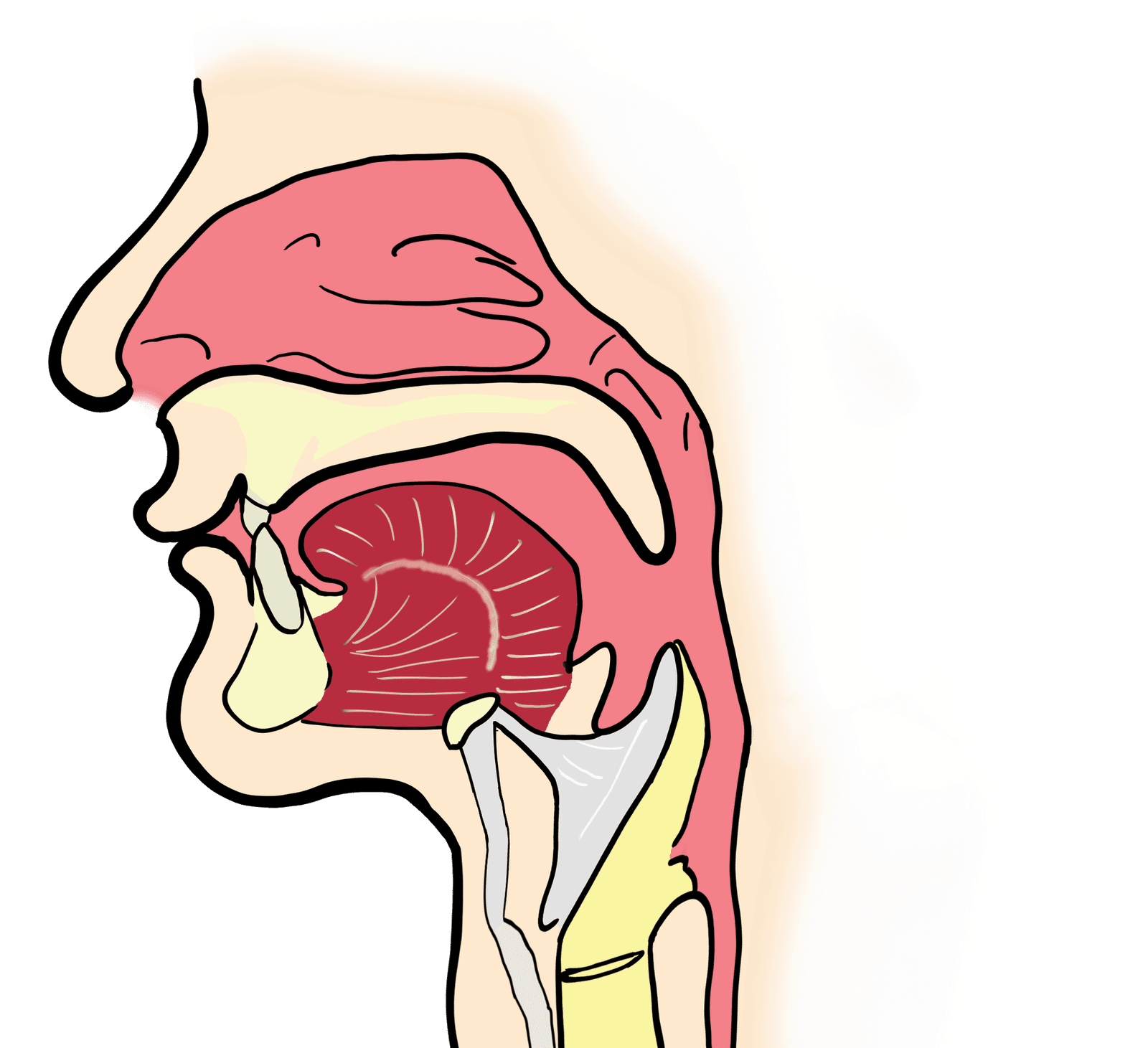
Understanding Sinusitis
Sinusitis occurs when the tissues lining the sinuses become inflamed or swollen. This inflammation can interfere with normal sinus drainage and lead to congestion and pressure.
Sinusitis may occur after a cold or respiratory infection. Allergies, nasal polyps, a deviated septum and other nasal conditions can also contribute to persistent or recurrent sinus symptoms.
How Can You Identify Sinusitis?
Sinusitis can sometimes resemble a common cold or allergy. Persistent, recurrent or worsening symptoms may indicate that an ENT evaluation is appropriate.
- Persistent nasal blockage
- Facial pressure or pain
- Thick nasal discharge
- Postnasal drip
- Reduced sense of smell
- Repeated sinus infections
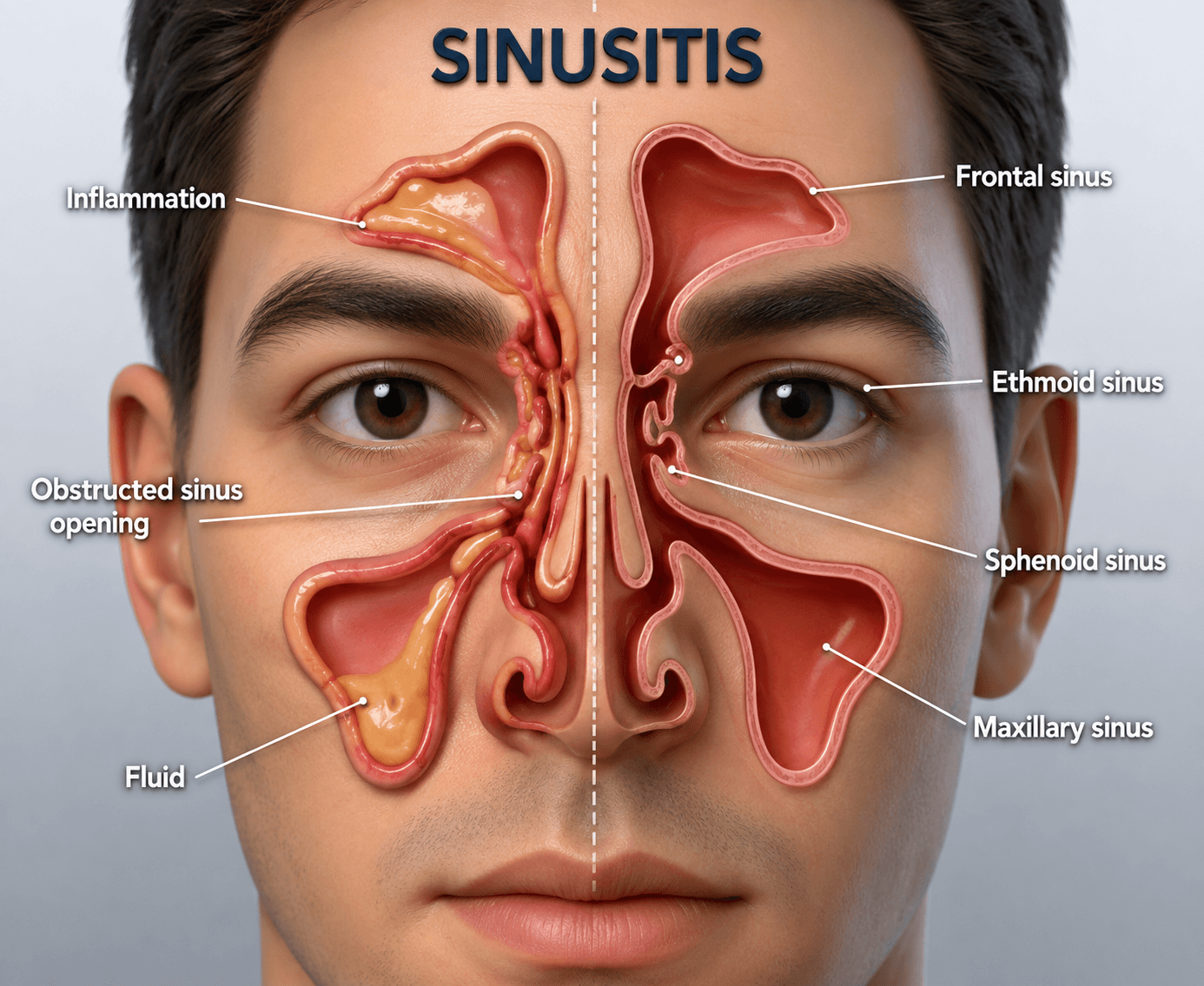
Symptoms of Sinusitis
Sinusitis symptoms can vary depending on the cause, severity and duration of inflammation.
Nasal Congestion
Difficulty breathing comfortably through the nose due to swelling and blockage.
Facial Pressure
Pressure or discomfort around the cheeks, forehead, nose or eyes.
Nasal Discharge
Increased or thick nasal mucus may occur with sinus inflammation.
Reduced Smell
Inflammation and blockage can temporarily reduce the ability to smell.
Postnasal Drip
Mucus draining from the nose toward the back of the throat.
Headache
Some people experience pressure-related headache or facial discomfort.
Tooth Discomfort
Pressure in the upper jaw can sometimes cause discomfort in the upper teeth.
Bad Breath
Persistent nasal and sinus inflammation can sometimes be associated with unpleasant breath.
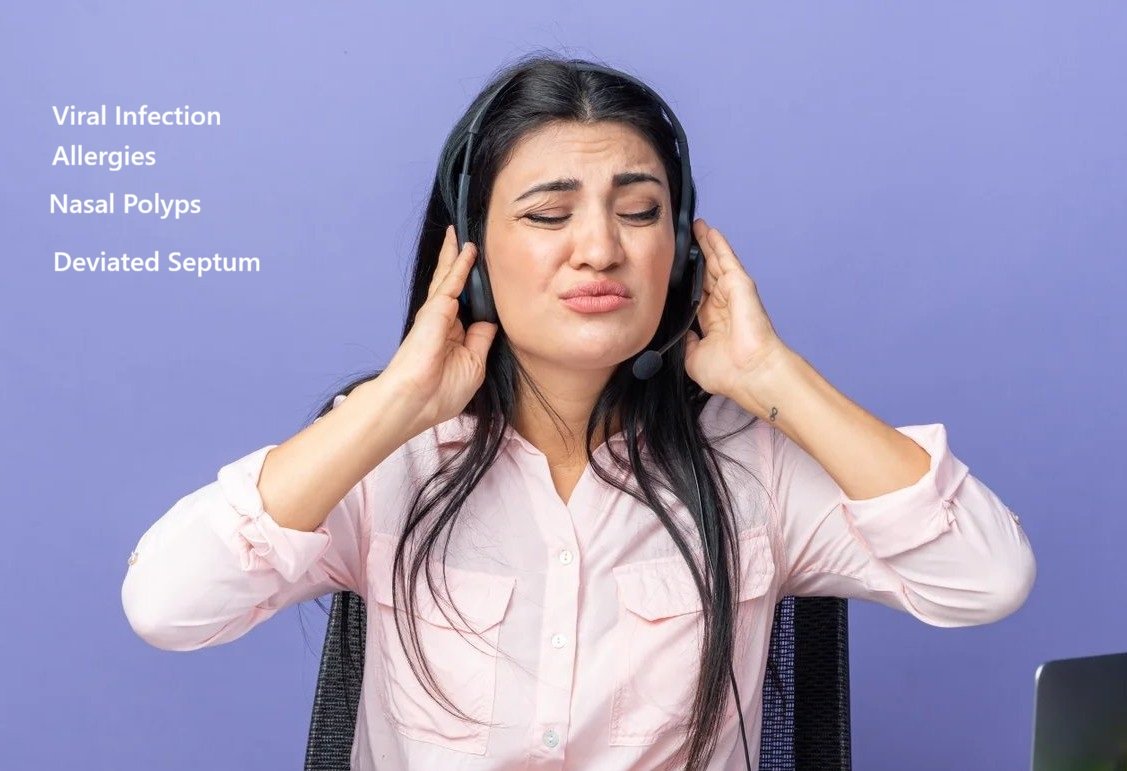
What Causes Sinusitis?
Sinusitis can develop for different reasons. Identifying the underlying cause is important because treatment should be tailored to the individual patient.
Colds and other respiratory infections can temporarily inflame the sinus lining.
Allergic inflammation can cause nasal swelling and affect sinus drainage.
Polyps can obstruct normal airflow and drainage pathways.
Structural narrowing inside the nose may contribute to recurrent symptoms.
Factors That May Lead to Sinusitis
Allergic Rhinitis
Ongoing nasal allergy can cause swelling and congestion.
Frequent Colds
Repeated respiratory infections may increase sinus inflammation.
Smoking
Tobacco smoke can irritate the nose and respiratory passages.
Air Pollution
Environmental irritants can aggravate nasal inflammation.
Nasal Polyps
Polyps may interfere with normal sinus drainage.
Deviated Septum
Nasal structural problems may contribute to recurrent blockage.
How Is Sinusitis Diagnosed?
A proper diagnosis helps determine whether symptoms are related to infection, allergy, inflammation or structural problems inside the nose and sinuses.
Medical History
Symptoms, duration, recurrence and previous treatment are reviewed.
ENT Examination
The nose, throat and related ENT structures are examined.
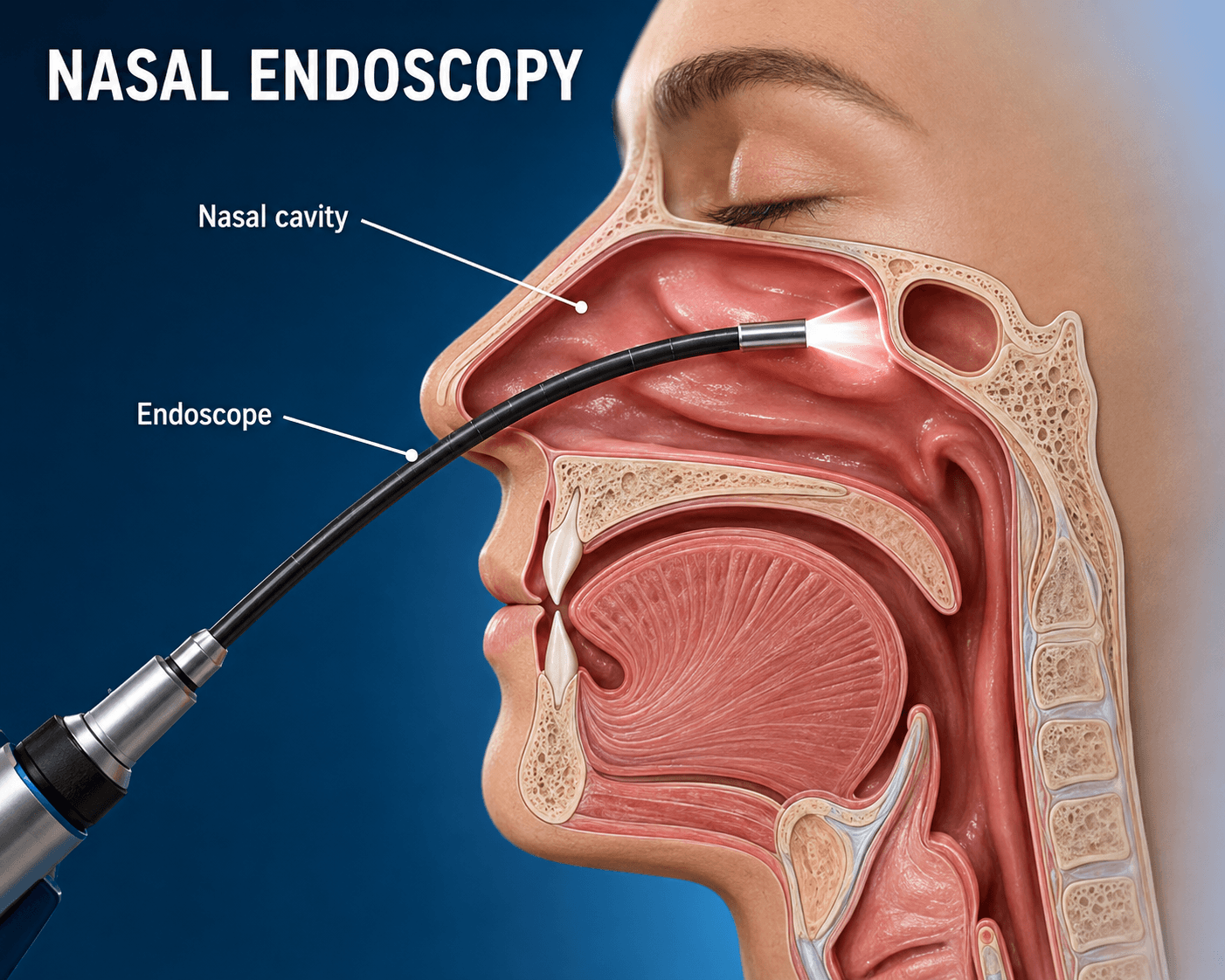
Nasal Endoscopy
An endoscope may be used to examine the nasal passages and sinus drainage areas.
Imaging When Required
CT imaging may be recommended in selected chronic or complicated cases.
How Can You Prevent Sinusitis?
While every episode cannot be prevented, certain habits may help reduce nasal irritation and the risk of recurrent symptoms.
- Manage allergies appropriately
- Avoid smoking and second-hand smoke
- Reduce exposure to known irritants
- Maintain good hydration
- Practice regular hand hygiene
- Follow appropriate nasal-care advice
Treatment for Sinusitis
The right treatment depends on the underlying cause, duration and severity of sinusitis.
Medical Management
Depending on the condition, treatment may include saline nasal care, nasal corticosteroids, allergy management and other appropriate medicines.
Allergy Management
If allergies contribute to nasal inflammation, controlling the allergic condition may help improve symptoms.
Antibiotics When Indicated
Antibiotics are not required for every sinus infection. They may be considered when bacterial infection is suspected.
Endoscopic Sinus Surgery
Selected patients with chronic or recurrent sinus disease that does not respond adequately to appropriate medical treatment may be considered for FESS.
Learn About FESS →Functional Endoscopic Sinus Surgery (FESS)
Functional Endoscopic Sinus Surgery is an endoscopic procedure used in selected patients with chronic or recurrent sinus disease when appropriate medical treatment has not provided sufficient improvement.
The procedure aims to improve sinus drainage and address anatomical blockage while preserving as much normal tissue as possible.
Explore FESS Treatment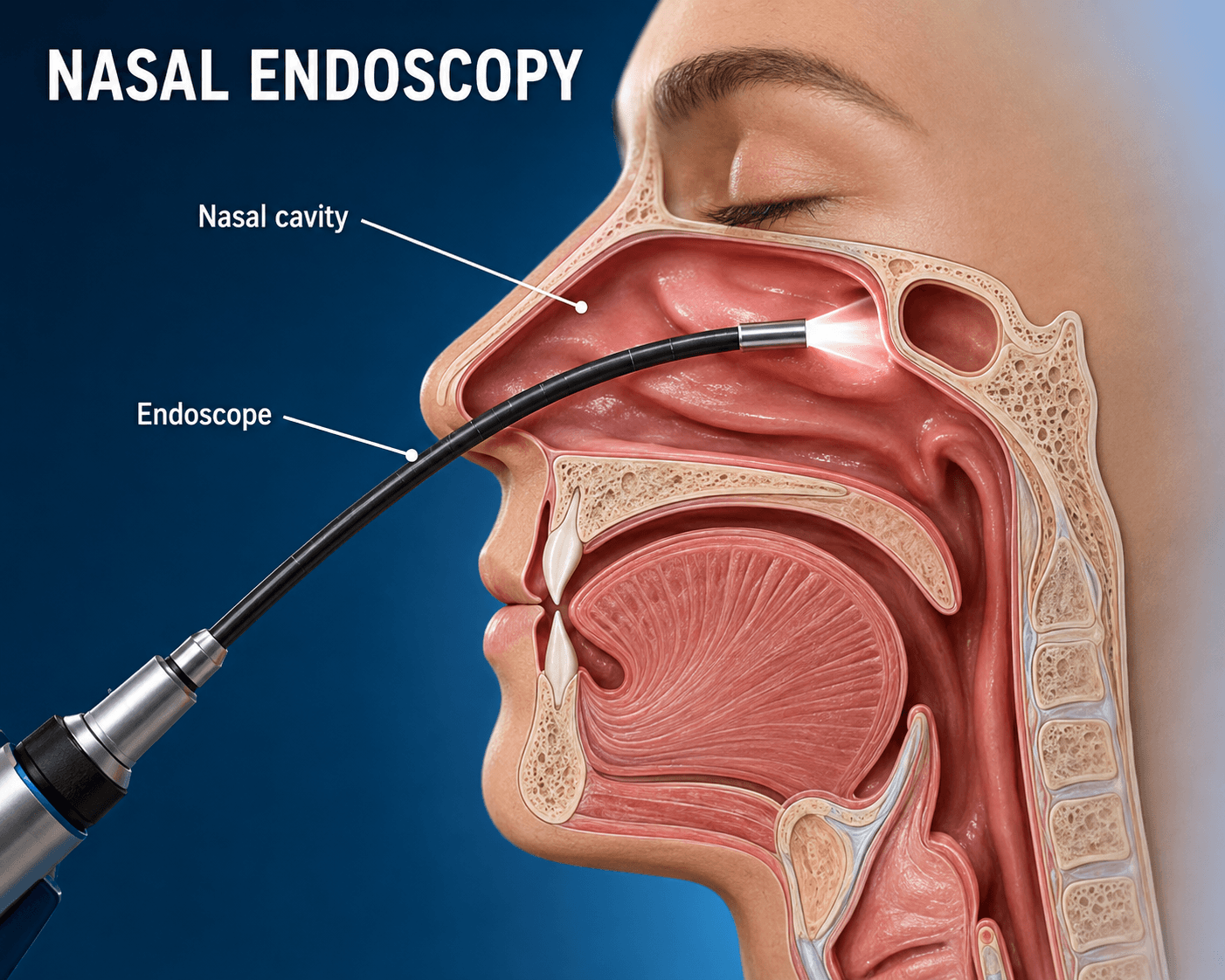
When Should You Visit an ENT Doctor for Sinusitis?
Consider an ENT consultation if symptoms are persistent, recurrent, worsening or interfering with your daily life.

Why Choose Dr. (Prof.) Dhirendra Singh Kushwah for Sinusitis Treatment?
Persistent sinus symptoms can have different underlying causes. A comprehensive ENT assessment can help determine whether the problem is related to infection, allergy, inflammation or structural blockage.
Extensive experience in ENT and otorhinolaryngology.
Specialized experience in endoscopic sinus procedures and evaluation.
Treatment is selected according to the patient's symptoms, examination and clinical needs.
Evaluation and management of a wide range of ear, nose and throat conditions.
Sinusitis FAQs
Is sinusitis the same as a common cold?
No. A common cold can cause temporary nasal congestion and drainage, while sinusitis involves inflammation of the sinuses. The symptoms can overlap, so persistent or recurrent symptoms may require an ENT evaluation.
Can sinusitis go away without antibiotics?
Many acute sinus infections are viral and may improve without antibiotics. Antibiotics should only be used when clinically indicated by a healthcare professional.
Can allergies cause sinusitis?
Allergic inflammation can cause swelling and congestion in the nose and may contribute to sinus problems.
Does chronic sinusitis require surgery?
Not necessarily. Treatment depends on the underlying cause. Surgery may be considered for selected patients who continue to have significant symptoms despite appropriate medical treatment.
What is FESS?
FESS stands for Functional Endoscopic Sinus Surgery. It is an endoscopic surgical procedure used for selected patients with chronic or recurrent sinus disease.
When should I see an ENT specialist?
An ENT consultation is appropriate when symptoms persist, repeatedly return, become worse or significantly affect your daily life.
Get the Right Diagnosis and Personalized ENT Care
Don't keep treating recurring sinus symptoms without knowing the underlying cause. Schedule an ENT consultation for a detailed evaluation.