
Treatment of Earwax or Blockage
Hearing may improve when a physical blockage such as impacted earwax is appropriately treated.
Hearing loss can develop gradually or occur suddenly and may affect communication, work, education and everyday life. Identifying the underlying cause through an ENT evaluation and appropriate hearing assessment can help determine the right treatment or hearing rehabilitation approach.


Hearing loss means a reduced ability to hear sounds clearly in one or both ears. It can range from mild difficulty hearing conversations to severe or profound hearing impairment.
Hearing loss may develop gradually over time or occur suddenly. It can result from problems affecting the outer ear, middle ear, inner ear or auditory nerve.
Some causes of hearing loss may be temporary or treatable, while others may require long-term hearing rehabilitation or specialist treatment.
Hearing loss can be classified according to the part of the hearing system affected. Identifying the type helps an ENT specialist determine the appropriate treatment or rehabilitation approach.
Occurs when sound cannot travel efficiently through the outer or middle ear. Earwax blockage, ear infections, eardrum problems and certain middle-ear conditions may cause conductive hearing loss.
This type involves the inner ear or auditory nerve. Age-related changes, prolonged noise exposure and other conditions affecting the inner ear may contribute to it.
Mixed hearing loss has both conductive and sensorineural components and may require a combination of medical, surgical or hearing rehabilitation approaches.
Hearing may be reduced in only one ear. One-sided hearing changes should be evaluated to identify the underlying cause.
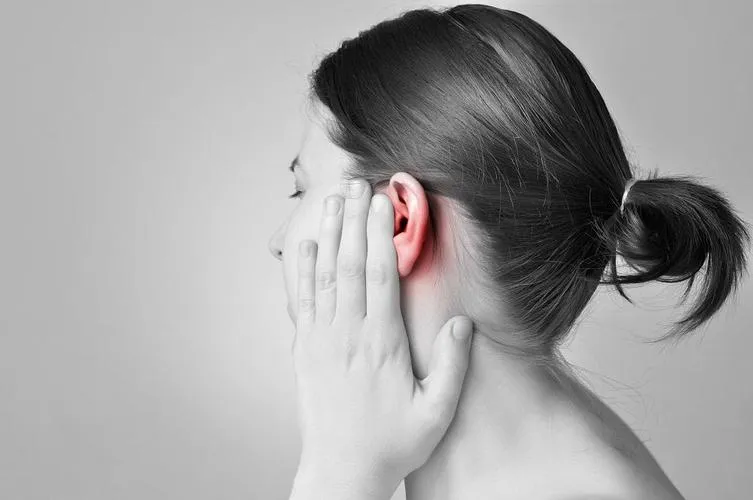
Hearing loss can develop so gradually that you may not notice it immediately. Family members may sometimes recognize the changes before you do.
Hearing loss symptoms vary depending on the cause, type and severity of the condition.
Hearing loss can have many causes. An ENT evaluation helps determine which part of the hearing system may be affected.
Certain lifestyle, environmental and medical factors can increase the likelihood of developing hearing problems.
Not every type of hearing loss can be prevented, but protecting your ears and addressing ear problems early can help reduce avoidable hearing damage.
Reduce unnecessary exposure to excessively loud sounds and use appropriate hearing protection in noisy environments.
Avoid prolonged listening at excessively high volume levels.
Avoid inserting cotton buds or other objects deep into the ear canal.
Persistent ear pain, discharge, infections or hearing changes should be evaluated rather than ignored.
Hearing evaluation can help identify changes, especially when symptoms or risk factors are present.
An ENT specialist evaluates your symptoms, examines the ear and may recommend hearing tests to understand the type, severity and possible cause of hearing loss.
Your symptoms, duration, previous ear problems, noise exposure and relevant medical history are reviewed.
The ear canal and eardrum are examined to identify blockage, infection, inflammation or other abnormalities.
Appropriate hearing tests may be performed to determine hearing levels and understand the type of hearing loss.
Further investigations may be recommended when symptoms, examination findings or the type of hearing loss require additional assessment.
The tests recommended depend on your age, symptoms, clinical findings and suspected type of hearing problem.
Measures the softest sounds you can hear at different frequencies.
Helps assess how well you can hear and understand spoken words.
Evaluates eardrum movement and aspects of middle-ear function.
Tests such as OAE or BERA may be recommended in selected patients when clinically appropriate.
Hearing loss treatment depends on the underlying cause, type and severity of hearing loss. An ENT specialist can recommend the most appropriate treatment after evaluation.
Hearing may improve when a physical blockage such as impacted earwax is appropriately treated.
When hearing difficulty is associated with an infection, inflammation or another treatable condition, appropriate medical management may be recommended.
Selected conductive or chronic ear conditions may require specialist surgical treatment.
Hearing aids may be recommended for suitable patients depending on the degree and type of hearing loss.
Selected patients with severe-to-profound hearing loss may be evaluated for cochlear implantation when appropriate.
Hearing loss can affect much more than the ability to hear sounds. Persistent hearing difficulty may interfere with communication and everyday activities.
People with untreated hearing difficulty may find conversations increasingly challenging, particularly in noisy environments, and may begin avoiding social interactions.
Do not ignore persistent or unexplained changes in your hearing. An ENT evaluation can help identify the cause and determine whether treatment or hearing rehabilitation may be appropriate.
If your hearing suddenly decreases, particularly in one ear, seek medical attention promptly rather than waiting for it to resolve on its own.

Dr.(Prof.) Dhirendra Singh Kushwah is an experienced ENT specialist and surgeon providing evaluation and treatment for a wide range of ear, nose and throat conditions.
His areas of expertise include ear disorders, hearing-related conditions, cochlear implant procedures, endoscopic sinus surgery and head and neck surgery.
If you are looking for an ENT specialist for hearing loss treatment in Delhi, a detailed evaluation can help identify the type and possible cause of your hearing difficulty.
Dr.(Prof.) Dhirendra Singh Kushwah provides ENT consultation and treatment for patients with hearing and ear-related conditions from Delhi and the surrounding Delhi NCR region.
Depending on the diagnosis, treatment may involve medical management, ear surgery, hearing rehabilitation, hearing aids or evaluation for advanced options such as cochlear implantation when appropriate.
Book a Hearing Consultation in DelhiCommon signs may include difficulty understanding speech, asking people to repeat themselves, increasing TV or phone volume, difficulty hearing in noisy environments and feeling that sounds are muffled or unclear.
Hearing loss may be associated with ageing, prolonged noise exposure, earwax blockage, ear infections, eardrum or middle-ear problems, inner-ear conditions, injuries, genetic factors and certain medicines or medical conditions.
The main types include conductive hearing loss, sensorineural hearing loss and mixed hearing loss. Hearing loss can also affect one or both ears.
Treatment depends on the underlying cause and type of hearing loss. Options may include treatment of ear conditions, medicines when appropriate, surgery, hearing aids or cochlear implant evaluation for selected patients.
Prolonged exposure to excessively loud sounds can contribute to noise-related hearing damage. Keeping listening levels reasonable and taking breaks can help reduce unnecessary exposure.
Consider an ENT evaluation for persistent, progressive or unexplained hearing difficulty, hearing loss in one ear, hearing loss associated with tinnitus or dizziness, or other concerning ear symptoms. Sudden hearing loss requires prompt medical evaluation.
Depending on the clinical situation, an ENT specialist may recommend tests such as pure tone audiometry, speech audiometry, tympanometry, OAE, BERA or other appropriate investigations.
Cochlear implants may be an option for selected people with severe-to-profound sensorineural hearing loss who meet appropriate clinical criteria. A specialist evaluation is required to determine suitability.
Yes. Hearing loss can occur in one ear or both ears. New or unexplained hearing loss affecting one ear should be evaluated by an ENT specialist.
Sudden hearing loss can require urgent assessment. If hearing suddenly decreases, particularly in one ear, seek prompt medical attention rather than waiting for the hearing to recover on its own.
If you are experiencing persistent hearing difficulty, hearing loss in one ear, tinnitus, dizziness or other ear-related symptoms, consider an evaluation by an experienced ENT specialist.